01
Service Desk & End-User Support
Responsive intake, triage, communication, escalation, issue resolution, access support, and assistance for employees and authorized users.

Reliable, scalable support for the technology environments, users, and critical operations your organization depends on every day.
Flexible managed and co-managed services aligned with business priorities, security, risk, and service expectations.
Executive Option provides managed and co-managed IT support to strengthen daily operations, supplement internal teams, and improve visibility across users, infrastructure, cloud, endpoints, networks, applications, and technology vendors. Services are aligned with the organization’s environment, operating requirements, risk profile, and business priorities.
EO structures support around the organization’s existing environment, internal resources, operational dependencies, service expectations, and long-term technology direction.
Responsive intake, triage, communication, escalation, issue resolution, access support, and assistance for employees and authorized users.
Operational support for servers, connectivity, core infrastructure, networks, performance, availability, configuration, and technical dependencies.
Administration and support for collaboration, identity, access, productivity, cloud services, configuration, licensing, and user enablement.
Device lifecycle support, provisioning, configuration, patch coordination, inventory, access, security, maintenance, and user readiness.
Improve detection, alerting, response, reporting, escalation, capacity awareness, recurring-issue analysis, and service performance visibility.
Coordinate technology providers, clarify responsibilities, manage issues, monitor service obligations, and strengthen vendor accountability.
EO integrates service intake, resolution, escalation, visibility, vendor coordination, and operational improvement into a delivery model appropriate for the organization.
Capture requests, incidents, impact, priority, users, assets, and supporting information.
Assess severity, ownership, dependencies, security implications, and required expertise.
Restore service, complete the request, communicate status, and document the resolution.
Coordinate specialists, vendors, leadership, security, applications, or infrastructure as needed.
Analyze trends, recurring issues, service levels, root causes, risks, and improvement opportunities.
EO coordinates support across internal teams, users, enterprise applications, infrastructure, cloud services, security requirements, devices, networks, and third-party providers.
Account support, access, identity, onboarding, offboarding, collaboration, productivity, and user assistance.
Workstations, laptops, mobile devices, inventory, configuration, updates, protection, and lifecycle support.
Servers, connectivity, wireless, network services, performance, availability, and operational dependencies.
Microsoft 365, cloud platforms, email, file sharing, collaboration, identity, administration, and support.
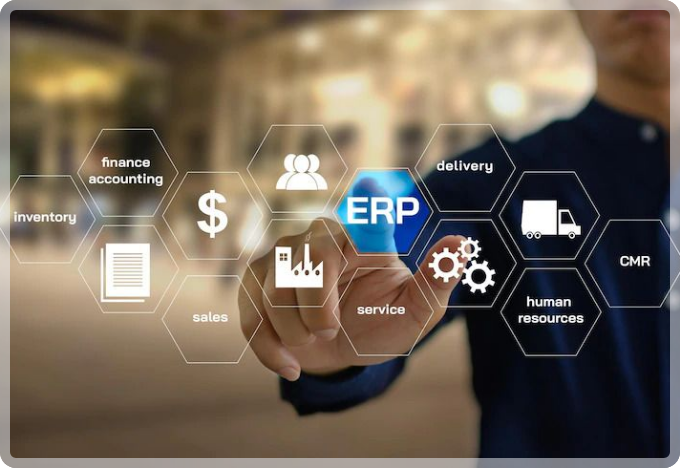
Coordination across ERP, HCM, payroll, finance, CRM, integrations, vendors, and application support teams.
Access practices, patch coordination, incident escalation, backups, continuity, vendor risk, and security coordination.
EO can supplement an existing internal team, manage defined technology functions, stabilize service delivery, or provide broader ongoing support across the organization’s technology environment.
Clear intake, ownership, prioritization, escalation, communication, documentation, and issue resolution.
Better understanding of service performance, recurring issues, assets, risks, demand, and improvement priorities.
Technology support scaled to changing organizational needs without unnecessary permanent overhead.
Defined responsibilities across internal teams, EO, software vendors, cloud providers, and other technology partners.
EO supports more than day-to-day ticket resolution. Our managed services are informed by experience in enterprise applications, cybersecurity, data, cloud, program delivery, business transformation, vendor oversight, operational recovery, and executive advisory. This helps organizations address recurring causes and enterprise dependencies—not only individual symptoms.
Service models tailored to internal capabilities, responsibilities, priorities, and support needs.
Users, infrastructure, applications, security, cloud, vendors, and operations considered together.
Defined intake, roles, escalation, reporting, communication, expectations, and vendor coordination.
Service trends and recurring issues connected to technology priorities and operational improvement.
Add qualified technology professionals to supplement internal capacity or specialized needs.
Shared responsibilities between EO, internal teams, and existing technology providers.
EO manages specified support areas, platforms, users, infrastructure, or operational functions.
Coordinated ongoing support across users, infrastructure, cloud, applications, and vendors.
Not necessarily. EO can provide fully managed, co-managed, project-based, or supplemental support. Responsibilities are defined around the organization’s existing team, environment, operating model, budget, priorities, and support requirements.
Yes. EO can coordinate software vendors, cloud providers, network providers, security firms, application partners, and other technology vendors. We can clarify responsibilities, improve escalation, manage issues, and strengthen accountability.
Services are tailored to the client’s technology environment, internal capacity, business hours, operating requirements, risk profile, user needs, existing providers, and expected service levels.
Yes. Services may include administration, access, collaboration, user support, configuration, licensing coordination, identity, security coordination, troubleshooting, and vendor management.
Yes. EO can assess current service delivery, identify gaps, clarify ownership, improve intake and escalation, strengthen documentation, coordinate vendors, address recurring issues, and establish a more sustainable support model.
Yes. Managed support can be combined with cybersecurity, enterprise applications, cloud, data, technology strategy, program management, implementation, recovery, assessments, and professional workforce solutions.
Vestibulum commodo sapien non elit porttitor, vitae volutpat nibh mollis. Nulla porta risus id neque tempor, in efficitur justo imperdiet. Etiam a ex at ante tincidunt imperdiet.
Vestibulum commodo sapien non elit porttitor, vitae volutpat nibh mollis.

Aenean sed nibh a magna posuere tempor. Nunc faucibus pellentesque nunc in aliquet. Donec congue, nunc vel tempor congue, enim sapien lobortis ipsum, in volutpat sem ex in ligula. Nunc purus est, consequat condimentum faucibus sed, iaculis sit amet massa. Fusce ac condimentum turpis. Ut consequat lacinia augue, vitae aliquam sapien.
Aenean sed nibh a magna posuere tempor. Nunc faucibus pellentesque nunc in aliquet. Donec congue, nunc vel tempor congue, enim sapien lobortis ipsum, in volutpat sem ex in ligula. Nunc purus est, consequat condimentum faucibus sed, iaculis sit amet massa. Fusce ac condimentum turpis. Ut consequat lacinia augue, vitae aliquam sapien.
Aenean sed nibh a magna posuere tempor. Nunc faucibus pellentesque nunc in aliquet. Donec congue, nunc vel tempor congue, enim sapien lobortis ipsum, in volutpat sem ex in ligula. Nunc purus est, consequat condimentum faucibus sed, iaculis sit amet massa. Fusce ac condimentum turpis. Ut consequat lacinia augue, vitae aliquam sapien.